
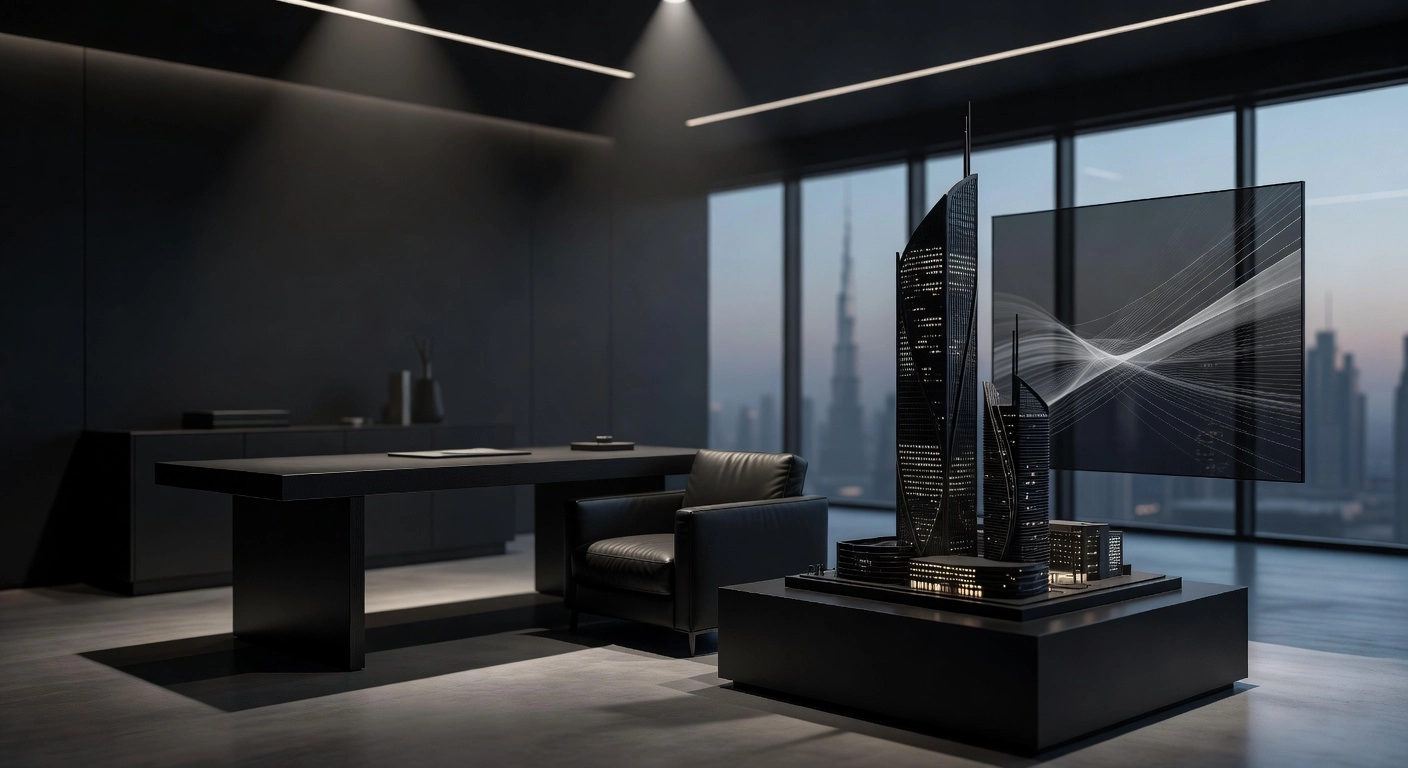
UAE Interior Design Boom Dubai Abu Dhabi 2026
The United Arab Emirates stands on the cusp of a transformative era in interior design, with Dubai and Abu Dhabi leading an explosive boom projected to reach new heights by 2026. Visionary megaprojects, surging real estate investments, and a fusion of global luxury with local heritage are reshaping living and working spaces across the UAE. Dubai and Abu Dhabi, as epicenters of innovation, boast market growth rates exceeding 12 percent annually, driven by high-net-worth residents and international firms.
This analysis delves into the forces fueling the UAE Dubai Abu Dhabi interior design surge. Readers will uncover key trends, from sustainable biophilic designs to smart tech integrations in flagship developments like Dubai Creek Harbour and Abu Dhabi’s Saadiyat Island expansions. We examine influential designers, material innovations, and investment opportunities poised to dominate 2026 portfolios. Whether you are a design professional, investor, or enthusiast, this post equips you with actionable insights to navigate and capitalize on this dynamic market. Expect data-backed forecasts, case studies, and strategic recommendations that position you ahead of the curve in one of the world’s fastest-evolving design landscapes.
UAE Interior Design Market Overview
The UAE interior design market, centered in Dubai and Abu Dhabi, stands at a pivotal growth phase, valued at USD 1.94 billion in 2026 according to Mordor Intelligence. This figure reflects a robust expansion from prior years, projected to reach USD 3.11 billion by 2031 at a compound annual growth rate (CAGR) of 9.83%. Alternative projections from Research and Markets estimate the market at USD 3.35 billion in 2024, climbing to USD 4.66 billion by 2029 with a 6.79% CAGR. Residential segments dominate with 57% market share, while renovations and remodeling account for 68%, underscoring demand for high-end updates in apartments, villas, and commercial spaces. Luxury designs lead the premium category at 49% share and a 10.12% CAGR, driven by affluent clients seeking bespoke solutions. These statistics highlight a market ripe for firms offering comprehensive services from fit-outs to maintenance.
Dubai and Abu Dhabi: Driving Hubs for Sector Demand
Dubai serves as the UAE’s economic epicenter, commanding 52% of the interior design market with a 7.18% CAGR, fueled by mega-projects like Palm Jebel Ali and Dubai Hills Estate. Its hospitality and residential booms, including 45,474 property deals worth USD 38.9 billion in Q1 2025, generate relentless demand for innovative interiors in hotels, villas, and offices. Abu Dhabi, holding 33% share at a 6.05% CAGR, acts as the cultural and government hub, powering initiatives tied to Vision 2030 such as high-speed rail and metro expansions. This duo drives 85% of UAE contracts, spurring hospitality via a 26,000+ hotel room pipeline, residential growth with 33,000 units under construction, and commercial spaces like 8.2 million square feet of offices by 2028. Together, Dubai and Abu Dhabi exemplify how location-specific expertise can capitalize on tourism events and population surges to 5.8 million in Dubai by 2040.
Construction Boom Fueling Fit-Outs and Renovations
UAE construction output, reaching USD 131 billion by 2029 from USD 107.2 billion in 2024, represents a 22% rise and directly propels interior fit-outs and renovations. Mixed-use developments (42% share), residential (28%), and hospitality (4%) dominate, aligned with agendas like We the UAE 2031 and Dubai 2040. This influx mandates energy-efficient retrofits and new installations, with the interior fit-out market alone at USD 10 billion. Firms providing end-to-end solutions, from AC and plumbing integrations to full renovations, position themselves to capture this momentum through durable, high-quality workmanship.
Implications for Luxury and Sustainable Design Firms
Amid a tourism surge pushing hospitality to USD 43.92 billion by 2031, research underscores opportunities for specialists in luxury and sustainable designs. Trends like biophilic elements, low-VOC materials, AI personalization, and cultural fusion with Emirati motifs yield 10-15% rent premiums and 2.1-2.3% CAGR uplifts. Mordor Intelligence notes 60% of luxury buyers upgrade within a year, favoring firms with warranties, transparent pricing, and fast response times. Actionable insight: Prioritize ESG-compliant tech and experiential spaces to thrive in this moderate-concentration market, ensuring long-term client satisfaction across UAE Dubai Abu Dhabi projects. This foundation sets the stage for strategic service providers to excel.
Dubais Leadership in Interior Design
Dubai asserts its dominance in the UAE interior design landscape, outpacing Abu Dhabi through relentless economic diversification and a surge in high-stakes projects. Building on the UAE market’s USD 1.94 billion valuation in 2026, Dubai captures over 51% share, fueled by tourism infrastructure and real estate booms that demand innovative fit-outs and renovations. This leadership positions firms like Nujum Alrabie (NAR) to thrive, leveraging their deep UAE roots. As Abu Dhabi focuses on cultural hubs, Dubai’s commercial velocity drives experiential designs blending luxury with functionality.
Dubai’s 4.5% Economic Growth in 2026: Key Drivers
Projections indicate Dubai’s economy will expand by 4.5% in 2026, surpassing global averages and matching 2025 momentum, according to Gulf News analysis. Tourism leads with record 19.59 million international visitors in 2025, a 5% rise, including 20% growth in medical tourism via new hotels and events; this spills into residential upgrades seeking hotel-like opulence. Population growth hit 4 million in 2025, up 5.4% year-over-year, inflating demand for villa and apartment renovations amid contained 2.5% inflation. Infrastructure investments, such as Dh20.5 billion for the Dubai Metro Blue Line and Dh18 billion for green spaces, accelerate construction output toward USD 131 billion UAE-wide by 2029. These factors create actionable opportunities: designers must prioritize scalable, sustainable interiors that accommodate population influx and tourist-driven aesthetics. NAR’s 20+ years in Dubai exemplify this, delivering maintenance and full renovations across apartments, villas, and commercial spaces with all services under one roof.
The 26,000+ Hotel Rooms Pipeline: Hospitality Transformation
Over 26,000 hotel rooms enter the pipeline by 2026 and beyond, with 103 projects totaling 26,061 rooms as of Q3 2025, a 10% year-over-year increase. Dubai spearheads with 5,053 openings in 2026 alone, complemented by Abu Dhabi’s luxury resorts, amid 4% RevPAR growth. This wave demands creative interiors: immersive wellness zones, tech-integrated lobbies, and sustainable finishes, amplified by incentives like Dubai’s Hotel Scheme. For intermediate stakeholders, this signals a fit-out boom; prioritize biophilic elements and AI personalization to future-proof projects. The hospitality surge elevates UAE Dubai Abu Dhabi as design epicenters, where firms integrate high-quality materials for durability.
Hospitality-to-Residential Crossover Trends
Hospitality aesthetics increasingly infiltrate residential spaces, with opulent textures like layered bouclé, woven earth tones, and hyper-tactile neutrals migrating from hotel lounges to Jumeirah villas and Marina apartments. Curved organic shapes and biophilic features, born in spa escapes, now define home offices, fostering sensory wellness. Warm minimalism pairs Emirati motifs with modern palettes, blurring boundaries for “quiet luxury.” Analytically, this trend boosts renovation demand; property owners should audit spaces for textural upgrades, ensuring long-term appeal. NAR’s expert technicians, trained for precise diagnostics, provide warranty-backed solutions from AC to landscaping, ensuring hassle-free transitions.
NAR’s Proven Expertise in Dubai
With over 20 years serving UAE Dubai Abu Dhabi, NAR handles everything from plumbing and electrical to full fit-outs, using trusted brands for transparent, same-day service. Trusted by property managers, their customer-focused approach delivers clean, detailed workmanship across sectors. This positions NAR ideally for crossover demands, offering reliable renovations that align with economic growth.
Abu Dhabi Interior Design Growth Potential
Abu Dhabi is carving out a distinct niche in the UAE interior design landscape, complementing Dubai’s commercial dominance with its emphasis on cultural depth and sustainable luxury. As the nation’s capital, it commands a 33.30% share of the UAE interior design market, projected to grow at a 6.05% CAGR through 2031, per Mordor Intelligence data. This positions Abu Dhabi as a prime expansion target for firms with UAE-wide capabilities, especially amid a tourism boom that demands integrated renovations blending heritage motifs with modern experiential designs. Renovation services, holding a 68.05% market share, align perfectly with the emirate’s villa retrofits and hospitality upgrades, where premium segments grow fastest at 10.12% CAGR.
Abu Dhabi’s Cultural Tourism Boom and RevPAR Spikes Driving Hospitality Growth
Abu Dhabi’s ascent as a cultural powerhouse has supercharged its hospitality sector, drawing 26.6 million visitors in 2025, including 5.9 million hotel guests, as reported by the Department of Culture and Tourism Abu Dhabi. Iconic sites like the Louvre Abu Dhabi attracted 1.4 million visitors, while events such as MOTN festival hosted nearly 253,000 attendees, boosting average stays to 2.9 nights. Hotel occupancy reached 81%, with Average Daily Rate up 19% and RevPAR surging 23% year-on-year to fuel AED 9.1 billion in revenues. Q1 2025 alone saw RevPAR climb 25% to AED 484, signaling sustained momentum into 2026 with forecasts of 4.2% growth. These dynamics pave the way for expansions like Yas Island’s 1,000 new rooms and Saadiyat Cultural District’s upcoming museums, creating urgent needs for interiors that fuse Emirati heritage with biophilic and sensory elements.
Addressing Market Gaps with UAE-Wide Expertise
While Dubai firms flood searches with high-volume portfolios, Abu Dhabi lacks dedicated content from many providers, leaving a gap in culturally attuned designs for its 33.30% market slice. This underserved demand stems from villa values rising 16% and projects like Saadiyat Grove requiring heritage-modern fusions. UAE-wide firms can capitalize by showcasing Abu Dhabi adaptations, leveraging Golden Visa incentives and Northern Emirates synergies. Local insights reveal scaling challenges in Abu Dhabi’s ecosystem versus Dubai’s, opening doors for specialized entrants focused on premium retrofits, where 60% of luxury buyers seek post-handover customizations.
Construction-Tourism Synergies Fueling Explosive Growth
UAE hospitality is set to expand from USD 30.07 billion in 2026 to USD 43.92 billion by 2031 at a 7.87% CAGR, intertwined with construction output hitting USD 131 billion by 2029 and a 26,000+ hotel room pipeline. Abu Dhabi’s synergies shine through Yas Bay’s USD 1.1 billion developments and Etihad Rail connectivity, stabilizing occupancy amid supply waves. Trends like green retrofits and smart tech address input inflation, with events diversifying revenues beyond Dubai’s shadow.
Firms providing all-services-under-one-roof solutions, encompassing AC systems, plumbing, full renovations, and landscaping, stand out for Abu Dhabi projects. These integrated offerings slash timelines by 40% via modular methods, ideal for five-star fit-outs at AED 17,000 per square meter. With warranties, transparent pricing, and skilled teams ensuring durability, they deliver hassle-free transformations using sustainable materials for xeriscaped villas and wellness-focused resorts, positioning providers for long-term dominance in this high-potential market.
Top Interior Design Trends UAE 2026
Experiential and Sensory Design
Building on the UAE interior design market’s projected USD 1.94 billion valuation in 2026 with a 9.83% CAGR, experiential and sensory design leads trends in Dubai and Abu Dhabi, prioritizing human-centric spaces. Neuro-responsive design, highlighted at INDEX Dubai 2026, applies neuroscience to craft environments that enhance brain function, mood, and productivity through elements like dynamic lighting synced to circadian rhythms and fractal patterns that reduce stress by up to 60%. Biophilic elements extend this by integrating natural textures, organic shapes, and plant dividers into villas and apartments, fostering emotional balance amid urban density; for instance, Dubai’s luxury residences now feature living walls with optimized airflow for the region’s humid climate. Water features complement these, incorporated via circulation systems in biophilic installations to evoke calm and improve air quality in coastal Abu Dhabi homes. Actionable insight: Incorporate acoustic panels and aromatherapy diffusers early in planning to achieve 20-30% wellbeing gains, as per INDEX exhibitors. This shift aligns with Dubai’s 51.74% market share and Abu Dhabi’s cultural projects on Saadiyat Island.
Hospitality-to-Residential Crossover
Hospitality influences are blurring lines into residential design across UAE hubs, with hotel lobby opulence adapting to luxury homes in Dubai and Abu Dhabi. Curved organic shapes, such as arched doorways and rounded furniture, soften angular cityscapes and promote wellness in bedrooms and majlis, drawing from high-occupancy hotels at 78% in 2024. Matte finishes gain traction for their glare reduction, fingerprint resistance, and dust tolerance in sunny conditions, ideal for kitchens and high-traffic zones in villas; premium stone tiles and layered lighting transform entryways into five-star retreats. This crossover supports the 26,000+ hotel rooms pipeline, as residential projects adopt durable, stain-resistant surfaces for longevity. Designers should prioritize modular matte cabinetry for 15-20% maintenance savings. Such integrations reflect the hospitality market’s growth to USD 30.07 billion in 2026.
Tech and Sustainability
Technology and sustainability converge in UAE trends, fusing innovation with eco-conscious Emirati heritage. AI personalization enables custom furniture via apps that adjust dimensions, colors, and layouts based on user data, enhancing bespoke villas in Dubai. Smart furniture, like motion-sensor wardrobes and integrated power tables, optimizes space in compact Abu Dhabi apartments while maintaining quiet aesthetics. Sustainable materials, including low-VOC paints, recycled terrazzo, and humidity-proof porcelain, align with LEED standards and offer 25% cost savings through modularity; Emirati fusion appears in modern majlis blending heritage motifs with these for cultural resonance. Per Ware Malcomb’s 2026 trends, neuroarchitecture amplifies this with eco-materials for sensory retreats. Implement AI climate controls for 10-15% energy reductions and ESG rent premiums.
Warm Minimalism and Luxury Palettes
Warm minimalism redefines luxury in bespoke villas and hotels, emphasizing curated depth over starkness. Palettes feature deep berry reds, olive greens, and clay neutrals with color drenching for immersive calm, layered with artisanal Venetian plaster and woven textiles as noted by DWS Interiors. Textured walls via limewash and wood slats add warmth, supporting the premium segment’s 10.12% CAGR and AED 50-200 million hospitality budgets. In Dubai villas, this integrates handcrafted elements for emotional intelligence; Abu Dhabi hotels fuse it with cultural weaves. Actionable: Select repairable finishes for 20% lifecycle extension. These trends, practical per INDEX, position UAE designs for 2031’s USD 3.11 billion market.
Hospitality Sector Fueling UAE Demand
The UAE hospitality sector, particularly in Dubai and Abu Dhabi, is a powerhouse driving unprecedented demand for high-end interior design and maintenance services. Valued at USD 30.07 billion in 2026, this market reflects robust recovery and expansion, surpassing earlier projections tied to the AED 236 billion tourism target set pre-2026. This growth stems from strategic initiatives like the UAE Tourism Strategy 2031, which aims for AED 450 billion in tourism GDP contribution by decade’s end, fueled by visa reforms, low-cost carrier expansions, and a surge in MICE events post-Expo 2020. Dubai leads with 63.49% of national hotel keys and 9.88 million international visitors in early 2025, while Abu Dhabi bolsters cultural tourism through districts like Saadiyat Island. Hotel occupancy hit 79.5% in early 2026 across 1,260 properties and 216,900 rooms, underscoring the sector’s resilience amid global challenges. For firms like Nujum Alrabie (NAR), with over 20 years in Dubai, this boom translates to opportunities in creative interiors that blend luxury with functionality for hospitality clients.
Projected Growth to USD 43.92 Billion by 2031
Looking ahead, the hospitality market is poised to reach USD 43.92 billion by 2031 at a 7.87% CAGR, propelled by massive hotel pipelines in Dubai and Abu Dhabi totaling over 26,000 rooms across 100+ projects. Dubai dominates with 19,200 rooms in 67 developments, including ultra-luxury sites like Palm Jebel Ali and Ciel Tower, where high-end interiors demand budgets of AED 130,000 to 180,000 per key for custom woodwork, artisanal finishes, and IoT integration. Abu Dhabi complements this with premium resorts on Yas and Saadiyat Islands, emphasizing cultural fusion and sustainability. This supply surge pressures average daily rates but rewards properties with differentiated renovations, creating steady work for expert teams handling fit-outs and full renovations. NAR’s all-encompassing services, from design to landscaping, position it ideally to deliver these turnkey solutions worldwide while rooted in UAE hubs. Actionable insight: Property developers should prioritize modular designs now to future-proof against pipeline oversupply.
Evolving F&B and Hotel Furniture Trends
Current trends in F&B and hotel furniture emphasize tech integration and sustainability, ensuring long-term performance in high-traffic environments. F&B spaces adopt AI for inventory forecasting, waste reduction, and personalized guest apps, alongside wellness menus with low-sugar options and delivery-focused engineering for profitability in Dubai’s mixed-use hubs. Hotel furniture shifts to quiet luxury with warm minimalism, curved organic shapes, biophilic elements like FSC-certified wood, and smart pieces such as IoT bedside tables with wireless charging and energy sensors. Sustainability features, including recycled composites and low-VOC finishes, align with COP28 mandates, cutting utility costs and boosting ESG appeal. These elements blur hospitality-residential lines, as seen in experiential sensory designs with neuro-responsive textures. For optimal ROI, integrate modular lobby furniture early to adapt to occupancy fluctuations.
Essential Role of Expert Maintenance Services
Hospitality’s intensity demands expert technicians offering warranties, transparent pricing, and fast response times to sustain premium standards. With facility management growing to USD 23.86 billion in 2026, skilled professionals diagnose issues accurately, using high-quality materials for durable AC, plumbing, electrical, and renovation fixes across hotels. NAR’s trained teams provide same-day service, clear quotations without hidden fees, and warranties on select works, minimizing downtime in 79.5% occupied properties targeting 40 million guests annually. Trusted by property managers, their hassle-free approach ensures clean, detailed execution from inspection to completion. Hotels should secure annual contracts for proactive maintenance, preventing costly disruptions and enhancing guest satisfaction in Dubai and Abu Dhabi. This integrated expertise fuels the sector’s global leadership.
Hospitality Industry in the UAE Why the UAE’s Hospitality Sector is Booming in 2026 Emirates Tourism Council Action Plans
Selecting Reliable Interior Firms in UAE
Selecting a reliable interior firm in the UAE, particularly in Dubai and Abu Dhabi, demands rigorous criteria amid a market projected to reach USD 1.94 billion in 2026, growing at a 9.83% CAGR to USD 3.11 billion by 2031. With over 26,000 hotel rooms in the pipeline and construction output hitting USD 131 billion by 2029, projects require firms that deliver precision and longevity. Prioritize providers with 20+ years of experience, as this tenure equips them to navigate UAE regulations, source local materials resilient to the climate, and execute complex renovations in villas, apartments, and hospitality spaces. Skilled, in-house teams are equally vital; they conduct thorough site diagnostics using 3D surveys and BOQs to identify root issues, avoiding temporary patches in favor of durable solutions like energy-efficient glazing and climate-adapted joinery. Actionable insight: Request portfolios showcasing 20-year evolutions in Dubai Marina villas or Abu Dhabi cultural projects to verify sustained expertise.
Comprehensive Services Under One Roof
Leading firms streamline operations by offering all-under-one-roof solutions, from AC, plumbing, and electrical works to full fit-outs, landscaping, and renovations. This integration minimizes delays and ensures cohesive execution, crucial in Dubai’s fast-paced hospitality boom and Abu Dhabi’s sustainable developments. High-quality materials from trusted brands, such as low-VOC woods and LEED-certified finishes, guarantee performance; for instance, biophilic elements like green walls align with 2026 trends in sustainability-focused UAE home designs. In practice, a single provider handles MEP installations alongside bespoke luxury suites, reducing costs by 15-20% through efficient supply chains, per industry analyses.
Transparency, Speed, and Customer Focus
Transparent pricing sets elite firms apart, with detailed quotations free of hidden charges, often benchmarked at AED 75-500 per square foot for fit-outs. Same-day service for emergencies, backed by rapid response teams, addresses urgent needs in high-occupancy properties. Customer satisfaction stems from clean sites, professional demeanor, and meticulous details, evidenced by repeat business rates exceeding 80% in Dubai’s rental market. Opt for firms emphasizing post-project walkthroughs to confirm alignment with visions.
Trusted by property managers across Dubai, these providers earn loyalty through warranties on select works, offering 1-5 years of peace of mind against defects. Nujum Alrabie (NAR), with over 20 years in UAE operations, exemplifies this: their skilled technicians deliver turnkey renovations for apartments and villas in areas like Arabian Ranches, incorporating AI-driven personalization trends for hospitality clients worldwide. Property managers value NAR’s hassle-free process, from inspection to warranty-backed completion, ensuring seamless turnovers. To select wisely, shortlist via site visits, demand BOQs, and verify compliance; this approach safeguards investments in the UAE’s dynamic interior landscape.
Future Outlook for Dubai Abu Dhabi Designs
Sustained Growth and the Need for Adaptive Firms
The future of designs in Dubai and Abu Dhabi promises sustained expansion, underpinned by robust economic indicators and urban master plans. UAE construction output is projected to reach USD 131 billion by 2029, with a 26,000-plus hotel room pipeline fueling demand across hospitality and mixed-use developments. Dubai’s 2040 Urban Master Plan aims to transform 60% of the emirate into nature reserves while expanding public beaches by 400%, complementing Abu Dhabi’s 2030 framework for sustainable land use and environmental management. These initiatives signal a 5% real-terms construction growth in 2026, driven by FDI surges and mega-projects like solar PV plants. Such momentum necessitates adaptive firms capable of integrating smart urbanism, vertical architecture, and PropTech like digital twins for efficient delivery. Firms excelling in modular construction and performance-driven designs will thrive amid rising costs, averaging USD 1,926 per square meter in Dubai.
AI and Sustainability: Transformative Impacts and Global Opportunities
AI and sustainability will redefine projects in Dubai and Abu Dhabi, accelerating innovation while enforcing green standards. AI tools enable generative designs for parametric facades that optimize energy use, as seen in simulations reducing heat gain by up to 20% in UAE university campuses. Sustainability mandates, including Federal Decree Law No. 11 for climate reporting and a Dh1 trillion green finance target by 2030, will prioritize net-zero districts and biophilic elements. This shift creates opportunities for worldwide-operating UAE firms to export expertise in AI-optimized, resilient interiors to global smart city markets. With 14% annual renewable growth and 1,500-plus LEED-certified projects, these firms can lead in cultural fusion designs blending Emirati motifs with modern tech.
Client Strategies for Future-Proof Designs
Clients should prioritize experiential designs that incorporate sensory elements like neuro-responsive spaces and wellness zones to align with post-pandemic lifestyles. Integrated services from concept to maintenance ensure hassle-free execution, leveraging BIM and AI analytics to navigate labor shortages and cost pressures. Targeting growth corridors in Dubai’s urban centers or Abu Dhabi’s eco-zones maximizes investment returns. By partnering with proven experts offering end-to-end solutions, warranties, and transparent pricing, clients secure durable, customized outcomes in this dynamic landscape.
Conclusion Actionable Insights
As the UAE interior design market surges to USD 1.94 billion in 2026, fueled by a 9.83% CAGR, hospitality expansion with 26,000+ hotel rooms in Dubai and Abu Dhabi pipelines, and Dubai’s 4.5% economic growth, property owners must act decisively. Key takeaway: align projects with trends like experiential sensory design, sustainability, and hospitality-to-residential crossovers to capture this boom and boost asset values.
Start by assessing your renovation or fit-out needs across villas, apartments, or commercial spaces. Select firms with over 20 years of proven expertise in Dubai and Abu Dhabi, offering all services under one roof, from AC and plumbing to full renovations and landscaping. Prioritize those with skilled technicians delivering transparent pricing, same-day service, high-quality materials, warranties, and hassle-free execution, like Nujum Alrabie (NAR).
Contact NAR today for a free consultation on custom solutions tailored to UAE’s dynamic market. Benefit from reliable, high-quality results that enhance property performance and value amid sustained growth to USD 3.11 billion by 2031. Secure your competitive edge now.
0 comments