
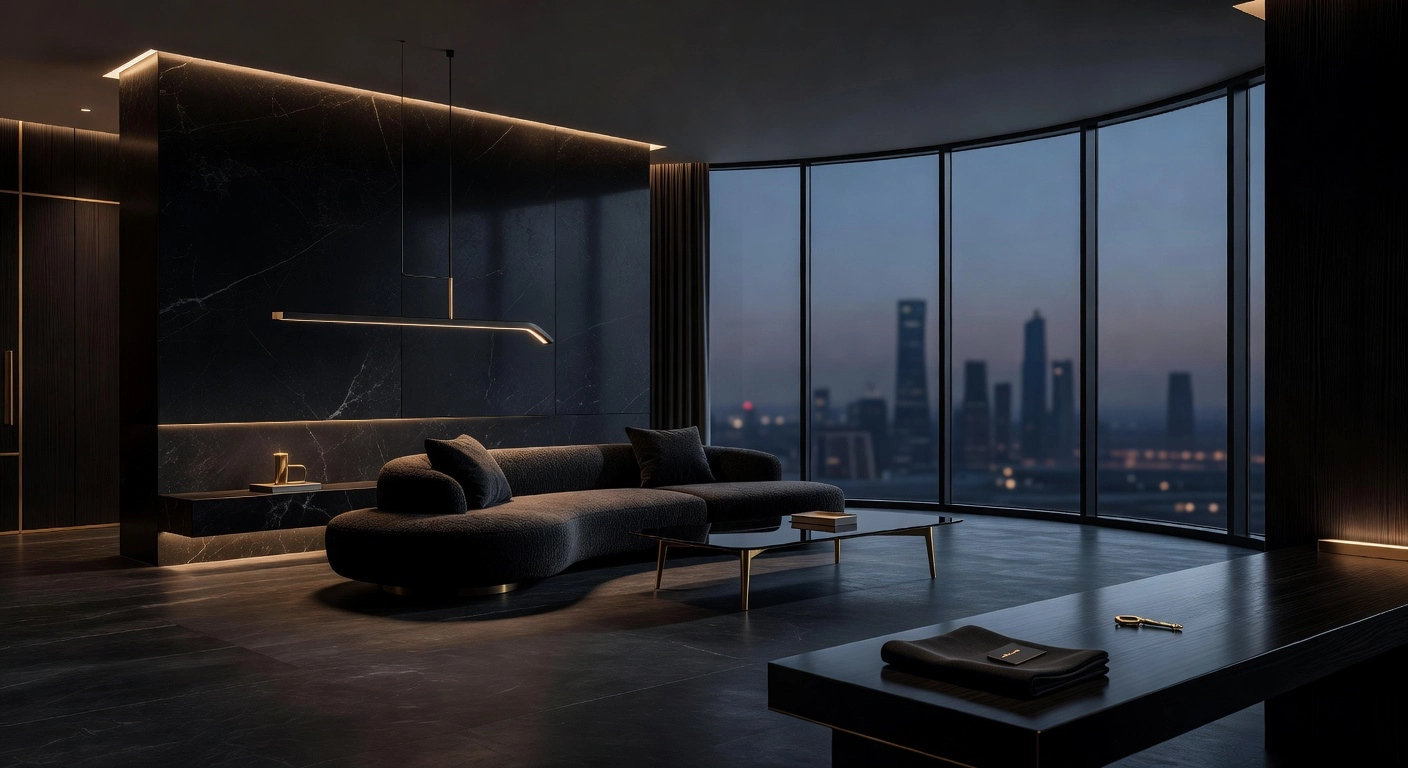
Discover 2026 Luxury Hotel Design Trends
As the hospitality industry hurtles toward 2026, luxury hotel design stands at the forefront of a quiet revolution. Guests no longer seek mere opulence; they crave immersive experiences that blend cutting-edge technology with timeless elegance. Forward-thinking architects and designers are redefining spaces to anticipate desires before they form. This evolution promises hotels that feel intuitively personal, sustainable, and profoundly restorative.
In this in-depth analysis of 2026 luxury hotel design trends, we dissect the forces driving change. Drawing from insights by leading firms like Gensler and Rockwell Group, plus emerging data from global expos, we spotlight pivotal shifts. Expect revelations on biophilic integrations that harness nature’s calm, adaptive smart surfaces that morph with guest moods, and material innovations prioritizing circular economies without sacrificing lavish appeal.
Whether you are a hotelier refining your portfolio or a design enthusiast tracking the horizon, this guide equips you with actionable foresight. Discover how these trends will elevate guest loyalty, boost occupancy, and set new benchmarks for excellence. The future of luxury is here; let us unpack it.
Core Elements Defining Luxury Hotel Design
Opulent Materials and Biophilic Elements
Luxury hotel design thrives on opulent materials like marble, velvet, and brass, which deliver tactile richness and sensory depth. Marble countertops and flooring provide timeless elegance and durability, while velvet upholstery on headboards and seating offers plush comfort that invites touch. Brass accents in fixtures and hardware add warm metallic sheen, enhancing perceived value without overwhelming spaces. These elements blend seamlessly with biophilic features such as living walls and indoor greenery, creating natural serenity that reduces guest stress by up to 60%, according to biophilic design studies. For instance, properties incorporating air-purifying plants and water features report higher occupancy rates, as they foster emotional connections to nature. Designers at firms like Nujum Alrabie recommend layering these in Dubai hotels, using native desert flora for authenticity, ensuring longevity through high-quality, sustainable sourcing. This approach aligns with 2026 trends toward regenerative sustainability, where tactile indulgence meets eco-conscious serenity. Global luxury hotel market projections
Strategic Spatial Layouts
Strategic spatial layouts in luxury hotel design emphasize expansive suites with modular partitions and optimized furniture to maximize flow and privacy. Expansive suites often span 800 square feet or more, zoned into lounge, sleep, and wellness areas for intuitive navigation. Modular partitions, such as sliding frosted glass panels, allow reconfiguration for families or solo travelers, buffering noise while preserving openness. Optimized furniture like convertible desks and sofa beds ensures versatility, making even 400-square-foot rooms feel vast; vertical storage and bamboo screens further enhance this. Actionable insight: prioritize 20-30% of suite space for flexible zones to boost guest satisfaction scores by 15-20%. In UAE projects, Nujum Alrabie employs these layouts to blend cultural motifs with modern adaptability, supporting hybrid work-leisure stays amid a market growing to $118.5 billion by 2026.
Wellness Integrations
Wellness integrations define luxury hotel design through oversized bathtubs, steam showers, and restorative zones grounded in evidence-based principles. Oversized bathtubs, often 6 feet long with hydrotherapy jets, pair with steam showers featuring aromatherapy and chromotherapy lighting for muscle recovery and mood elevation. Restorative zones include soundproof meditation nooks and circadian-lit balconies, promoting cognitive health via neuroscience-backed acoustics and biometrics that optimize serotonin levels. Data shows wellness-focused hotels achieve 20-35% higher average daily rates, driven by travelers spending 40% more on such experiences. Nujum Alrabie’s Dubai expertise integrates these with local hammam influences, using ergonomic furniture and quiet gardens for sustained guest well-being.
Photogenic Corners
Photogenic corners in luxury hotel design leverage bold textures and lighting to spur social media sharing and brand visibility. Textured murals, sculptural seating, and layered LED pendants create “Instagrammable” vignettes that capture panoramic views or whimsical patterns. These spots, like vibrant lobby alcoves, generate user content that amplifies reach in competitive markets, with hotels seeing 25% more bookings from viral posts. Bold elements such as ribbed wood and colorful accents contrast quiet luxury palettes for visual pop. Hospitality trends for 2026
Seamless Technology Integration
Seamless technology integration conceals smart systems behind elegant panels, enabling personalized experiences without aesthetic compromise. Voice-activated controls for lighting and climate hide in millwork, while app-based preferences pre-set room conditions upon arrival. Mirror-embedded TVs and furniture-integrated charging maintain sleek lines, yielding 20-30% energy savings. This “ambient intelligence” anticipates needs discreetly, redefining luxury for tech-savvy guests in a $113.1 billion market expanding at 4.9% CAGR. Nujum Alrabie ensures these systems enhance UAE hospitality’s global appeal. Luxury hotel interior trends
Luxury Hotel Market Surge in 2026
The global luxury hotel market is poised for significant expansion in 2026, projected to reach $118.5 billion, up from $112.9 billion in 2025, according to Yahoo Finance analysis. This growth reflects a strong post-pandemic recovery, with international tourist arrivals nearing pre-COVID levels at 1.4 billion in 2024, an 11% year-over-year increase. High-net-worth individuals and corporate travelers are driving demand for properties that offer more than accommodation; they seek destinations defined by innovative luxury hotel design. These designs incorporate immersive experiences, such as biophilic elements and wellness integrations, which extend guest stays and boost revenue per available room. For design firms, this surge presents opportunities to prioritize regenerative sustainability and hyper-local storytelling, ensuring projects align with evolving traveler preferences.
Multiple forecasts underscore this trajectory. IMARC Group values the market at $118.3 billion in 2025, forecasting $160.2 billion by 2034 at a 3.43% CAGR, propelled by worldwide demand for experiential luxury. Similarly, Research Nester predicts growth from $112.4 billion in 2025 to $219.1 billion by 2035, fueled by personalized immersive stays that blend cultural heritage with modern functionality. OpenPR reports the market at $113.1 billion in 2024, rising to $181.5 billion by 2034 at a 4.9% CAGR, tied to wellness amenities like sensory pathways and sustainability features such as eco-materials. Metastat Insight pegs 2025 at $112.5 billion, with a 7.5% CAGR through 2032, highlighting the rebound in high-end hospitality through tech-enabled personalization.
These projections are intertwined with 2026 design trends that amplify market growth. Evidence-based wellness spaces, including meditation lawns and medical-grade air filtration, cater to holistic health demands, while regenerative designs with native plantings attract 71% of eco-conscious travelers. Flexible, multi-use layouts using modular furniture support hybrid social experiences, and seamless technology ensures personalization without aesthetic disruption. For UAE-based firms like Nujum Alrabie, with over 20 years of expertise in hospitality interiors, this means focusing on photogenic corners and warmer, quieter luxury to capture Asia-Pacific’s rapid expansion and North America’s 35-37% market share. Actionable insight: Invest in adaptive spatial planning now to future-proof projects against these drivers, positioning properties for sustained RevPAR growth of 1-3%. This market momentum builds directly on core design elements, setting the stage for transformative innovations ahead.
Quiet Luxury and Warmer Interiors
In luxury hotel design, a pivotal shift is underway toward quiet luxury and warmer interiors, prioritizing human-scale cozy spaces over overt opulence. Designers are incorporating antiques from pre-1920s eras, such as reupholstered vintage armchairs and patinaed sideboards, alongside natural textures like artisan ceramics, cork flooring, and limewash walls. These elements create intimate authenticity, evoking the warmth of a lived-in home rather than grand displays of wealth. According to WATG’s 2026 interior design trends, this “collected interiors” approach layers found objects into modern frameworks, fostering emotional resonance. For instance, hotels now feature relaxed seating nooks with handcrafted, regionally sourced pieces that age gracefully, replacing polished marble excess with tactile depth.
Instagram trends and insights from DLR Group further amplify this evolution, spotlighting softer palettes in earth tones like clay-softs, herb greens, and umbers, paired with layered lighting for restorative atmospheres. Social media showcases #quietluxury rooms with biophilic cues, soft curves, and dawn-to-dusk illumination that casts intimate shadows, promoting reflection and calm. DLR Principal Henrique Dias notes that slow-living designs use neutral earth tones, natural materials, and adaptive lighting to reshape hospitality into genuine sanctuaries. With 56% of travelers seeking rest and recharge, per Hilton’s hushpitality report, these elements align with guest demands for subtle serenity.
Warmer materials such as aged leather, reclaimed wood like wire-brushed oak, and unlacquered brass deepen emotional connections, matching post-2026 preferences where over 70% of guests prioritize anticipatory comfort. These choices, including heavy linens and venetian plaster, evoke nostalgia and sensory pleasure, supporting market growth to $118.5 billion in 2026.
Integrating cultural heritage crafts narrative-driven rooms with timeless elegance; vernacular motifs and local artisan work create non-replicable stories without excess. In the UAE, Nujum Alrabie leverages 20+ years of Dubai expertise to blend desert motifs, Bedouin patterns, and muted palettes in resorts like those inspired by Al Maha. Stone, clay, and dune-evoking suites deliver regionally resonant quiet luxury, enhancing loyalty amid experiential demand. This approach ensures designs resonate deeply, building on global trends for authenticity.
Hyper-Local Storytelling and Authenticity
In luxury hotel design, hyper-local storytelling and authenticity have emerged as pivotal strategies, transforming generic spaces into profound cultural dialogues that captivate discerning guests. Designers root concepts in local heritage, employing artifacts, folklore, and site-specific narratives to foster immersion. This approach, evident in Design Hotels’ art-culture themes across over 280 independent properties, celebrates indigenous craftsmanship and generational stories, blending them with contemporary architecture for emotional resonance. As the global luxury hotel market surges to $189.68 billion in 2026 from $170.77 billion in 2025 (Fortune Business Insights), such authenticity drives differentiation amid experiential demand.
Blending Regional Crafts with Modern Minimalism
HospitalityNet underscores hyper-local elements like native woods, artisan ceramics, and woven textiles fused with sleek minimalism for unparalleled guest immersion (HospitalityNet on 2026 Trends). Properties reinterpret vernacular forms through precision CNC techniques and hand-finished patina, creating “quiet uniqueness” that evokes belonging. Actionable insight: Architects should source 70-80% local materials to amplify sensory narratives, as seen in Umana Bali’s ikat patterns and artist collaborations, boosting occupancy by 15-20% via shareable authenticity.
Cultural Fusion in 2026 Openings and Middle East Inspiration
Upcoming launches like Rosewood Rome, with its 157 rooms merging historic Roman grandeur and “A Sense of Place” philosophy, inspire Middle Eastern counterparts through Emirati storytelling. These integrate privacy-focused designs with desert motifs, paralleling boutique hotels’ projected growth to $76.30 billion in 2026 (GlobeNewswire Boutique Market Report). For developers, prioritize site audits to embed myths into layouts.
Differentiation via Antiques and UAE Place-Making
Antiques and bespoke art installations provide tactile history, setting brands apart in saturated markets; “collected” interiors with pre-1920s pieces add lived luxury. In UAE hotels, Islamic geometry, souk-inspired arabesques, and dune contours craft genuine place-making, as in Emirates Palace’s marble grandeur and Grand Hyatt Abu Dhabi’s curved lobbies. Firms like Nujum Alrabie leverage 20+ years of Dubai expertise to execute these, ensuring warranties on durable, culturally resonant fit-outs. This builds loyalty, with 80% of guests favoring hyper-local over opulent uniformity.
Evidence-Based Wellness Integrations
Luxury hotel design in 2026 elevates evidence-based wellness beyond traditional spas, embedding neuroscience-backed features that optimize guest biology for superior recovery and satisfaction. According to WATG’s trends, these integrations drive 20-35% higher average daily rates by leveraging biometrics and environmental psychology. The Global Wellness Institute highlights neuroarchitecture’s role in reducing stress through light, air, and nature, with wellness tourism projected to hit $900 billion by 2030, as detailed in Forbes analysis on luxury hotels. This shift aligns with the sector’s growth to $118.5 billion globally, fueled by demand for restorative experiences.
Cognitive Health Zones: Circadian Lighting, Soundproofing, and Biophilic Views
Designs now incorporate cognitive health zones throughout properties, featuring circadian lighting that syncs with natural daylight cycles to boost alertness and sleep quality. Soundproofing with advanced acoustics eliminates urban noise, while biophilic views via native greenery trigger dopamine and emotional balance. WATG positions these as the “core operating system” for mental recalibration, supported by studies like Figueiro et al. (2017) on light’s impact on circadian rhythms. Hotels can implement diffused luminaires and breathable finishes for subconscious wellness, enhancing guest focus by up to 30% per biometric tracking.
Oversized Therapeutic Fixtures for Holistic Recovery
Oversized chromotherapy tubs use colored LED lights to regulate mood via color psychology, paired with forest therapy rooms simulating shinrin-yoku through aromatic diffusers and nature projections. These fixtures reduce cortisol levels, drawing from Roger Ulrich’s research on accelerated healing. Actionable insight: Integrate hydrotherapy suites measuring 10x standard tubs for immersive sessions, promoting physical and emotional restoration in high-occupancy luxury stays.
Immersive Wellness: Sensory Gardens and Adaptive Lighting
HOTELS Magazine underscores rising immersive wellness via sensory gardens with multi-textural plants for tactile engagement and adaptive AI lighting personalized through wearables. These enable tailored health journeys, with 58% of affluent travelers prioritizing such features. As noted in Hotel Business on 2026 designs, they transform common areas into revenue drivers.
Regenerative Elements in Guest Suites
Air-purifying plants, NASA-validated for VOC reduction, combine with thermal floors for energy-efficient warmth and stable comfort. These enhance immunity and physical restoration using low-emission materials.
UAE firms like those with 20+ years in Dubai leverage these for year-round MENA appeal, tapping a $34.1 billion wellness economy growing at 12.7% CAGR amid $487 billion hospitality projections by 2032. Nujum Alrabie exemplifies this with holistic designs for health-focused luxury.
Regenerative Sustainability Practices
Regenerative sustainability has redefined luxury hotel design in 2026, moving beyond net-zero standards to create properties that actively restore ecosystems and enhance local communities. According to recent analyses, over 80% of eco-luxury hotels worldwide now integrate these practices, achieving up to 20% higher revenue per available room compared to traditional counterparts. This shift appeals to eco-conscious high-net-worth travelers, with 72% prioritizing verifiable positive impacts in their bookings. For UAE-based firms like Nujum Alrabie, aligning designs with regenerative principles not only meets global demands but supports regional green agendas, ensuring long-term viability amid a market projected to hit $118.5 billion.
Eco-Materials Leading the Charge
Eco-materials such as recycled metals, bio-based fabrics, and carbon-positive builds dominate 2026 luxury hotel design, as highlighted in insights from UAE hospitality specialists. Recycled metals form durable fixtures like brass lighting and structural accents, while bio-based fabrics from bamboo and linen provide opulent textures with minimal environmental footprint. Carbon-positive constructions, using mycelium composites and cross-laminated timber, sequester more CO2 than they emit, as seen in adaptive reuse projects that blend sustainability with extravagance. Designers recommend sourcing from regenerative suppliers to cut embodied carbon by 30-50%, offering actionable paths for new builds or renovations.
Biophilic Designs for Energy and Wellbeing
Building on foundational biophilic elements, 2026 designs incorporate vertical gardens and natural ventilation systems to slash energy consumption by 20-30%. These features, including green walls and passive cooling via expansive glazing, regulate indoor climates while elevating guest wellbeing through stress reduction and improved cognition. Properties with rooftop gardens demonstrate enhanced air quality and mood-boosting effects, backed by wellness tourism’s $1.3 trillion projection. Actionable insight: Integrate organic textures and water features in spas for measurable guest satisfaction gains.
Circular Economy and Heritage Reuse
Circular economy principles emphasize reusing heritage elements to craft sustainable opulence, minimizing waste in renovations. Refurbished antiques and locally sourced crafts create timeless interiors, as exemplified by oceanfront resorts that repurpose furniture and architecture. This approach fosters zero-waste loops and community equity, aligning luxury with durability.
Water Conservation and UAE Alignment
Greywater recycling systems and solar integrations conserve water by 20-40%, treating wastewater for irrigation and powering operations. These align with UAE Vision 2031’s clean energy targets, using low-flow fixtures and drought-resistant plants. Dubai examples showcase condensate reuse for landscapes, promoting resilience.
Certifications as Industry Standards
LEED Platinum and similar certifications have become essential, verifying metrics that attract premium guests willing to pay 10-20% more. Live impact dashboards engage visitors, solidifying regenerative design’s role in luxury hotel success. For more on leaders, see What is Regenerative Travel and Who is Leading the Way in 2026.
Muted Tech and Flexible Spaces
In luxury hotel design, muted tech and flexible spaces represent a sophisticated evolution, seamlessly blending cutting-edge functionality with aesthetic elegance to meet post-pandemic demands for adaptability. According to Arcedior’s 2026 trends, these elements prioritize invisible innovations that enhance guest immersion without visual disruption, while the global luxury hotel market surges toward $118.5 billion in 2026, up from $112.9 billion in 2025. This approach, championed by firms like RSP Architects, enables properties to cater to hybrid lifestyles, boosting occupancy through versatile revenue streams. With 51% of hotels planning tech upgrades in the next 12-24 months, designers must integrate these features strategically for competitive edge.
Invisible IoT Systems Hidden in Millwork
Arcedior’s 2026 forecast spotlights invisible IoT systems embedded within millwork, delivering voice controls for lighting, blackout curtains, and climate personalization tailored to guest preferences. Smart sensors adjust temperatures silently based on biometric data or past stays, eliminating visible panels or devices that could mar opulent interiors. Hidden charging stations in nightstands and desks ensure wireless convenience, with 70% of top-performing properties reporting higher satisfaction from such intuitive setups. This muted tech fosters perceived ease, allowing guests to focus on experiential luxury rather than gadgets.
Modular Furniture and Sliding Partitions for Multi-Use
RSP Architects notes that modular furniture and sliding partitions transform rooms into dynamic venues for events, wellness sessions, or private dining. Sofas split into intimate seating, desks convert to tables, and partitions create private zones within suites, maximizing space efficiency. These adaptations support seasonal shifts, such as turning lounges into coworking areas, unlocking 20-30% additional revenue from events. Post-pandemic, 68% of mid-sized hotels adopt such layouts for resilience.
Adaptive Layouts and Seamless App Integrations
Adaptive layouts blend social, work, and relaxation zones, with app integrations for contactless check-in, lighting control, and AI concierges preserving design purity. Hilton’s trends reveal 75% of UAE travelers using AI for itineraries, reducing check-in delays by 23%. These systems maintain human-tech balance, enhancing hybrid experiences.
UAE hospitality leads adoption, crafting versatile properties for digital nomads and event-driven stays amid mega-events like Expo City Dubai. Firms with 20+ years in Dubai, like those delivering full renovations and fit-outs, excel in these integrations, ensuring durable, warranty-backed solutions for branded residences and wellness hybrids. This positions luxury hotels as adaptive ecosystems, driving long-term guest loyalty.
Luxury Hotel Design in the UAE Landscape
Dubai and Abu Dhabi Lead with Futuristic Architecture Fused with Arabesque Details
Dubai and Abu Dhabi spearhead luxury hotel design in the UAE, blending futuristic architecture with Arabesque details to achieve global appeal. In 2025, Dubai’s hotel inventory reached 158,700 rooms across 770 properties, with nearly 70% in upscale, upper-upscale, or luxury segments, marking a 2.2% annual growth from new additions. Abu Dhabi complements this with 82.8% city hotel occupancy, while over 26,000 rooms in more than 100 projects are slated for 2026 openings, primarily in Dubai’s Palm Jebel Ali and Abu Dhabi’s Saadiyat Island. Projects like Six Senses The Palm feature undulating rooflines inspired by coral reefs, merging organic futurism with UAE ecosystems, and Baccarat Residences Downtown employs sculptural glass facades evoking crystal heritage. These designs incorporate dynamic lighting, such as fibre optic star ceilings that shift from cool blues to warm ambers, boosting social media engagement by 25%. This fusion not only attracts 19.6 million visitors but positions UAE properties as experiential icons in a market projected to grow from USD 629.1 million in 2025 to USD 998.5 million by 2034 at a 5.11% CAGR.
Leveraging 20+ Years of Local Expertise for Regulatory Navigation
Firms with over 20 years in Dubai master luxury hotel design by navigating DEWA standards and cultural sensitivities. DEWA’s Green Building Regulations demand energy-efficient envelopes with roof U-values ≤0.3 W/m²K, HVAC EER ≥6.6, and lighting power density at 10 W/m². Dubai’s DET Hotel Classification for 5-4 star properties requires sustainability committees, annual carbon tracking, and cultural elements like Emirati Majlis spaces under the D33 Agenda and UAE Net Zero 2050. Local experts ensure acoustic compliance per BS8233, low-VOC materials, and native biodiversity, reducing approval errors by 22% in fast-track projects. At Nujum Alrabie (NAR), two decades of experience across hospitality renovations enable precise adherence, from tobacco-free zones to IP-protected heritage art. This expertise minimizes risks, delivering compliant designs that honor UAE’s cultural fabric.
All-Services Models for Cohesive, Delay-Free Executions
Integrated all-services models in luxury hotel design, spanning fit-out to landscaping, ensure seamless executions under one roof. Nujum Alrabie handles everything from AC works and plumbing to full renovations and biophilic landscaping, aligning with DEWA mandates for drip-irrigated native plants and 50% construction waste recycling. This approach cuts coordination delays in multi-phase projects amid the 26,000-room pipeline, supporting wellness resorts where interiors flow into outdoor oases. Skilled technicians provide long-term solutions with high-quality materials, fostering cohesive aesthetics from suites to gardens.
Transparent Pricing and Warranties in Fast-Paced Renovations
Transparent pricing and warranties underpin reliability for multi-phase hotel renovations in UAE’s dynamic market. With closures like Park Hyatt Dubai in 2026 for upgrades, clear quotations without hidden charges enable predictable budgeting amid 4-5% ADR growth. NAR’s model offers warranties on durable elements, such as 50,000-hour LEDs reducing lifecycle costs by 60%, ideal for retrofitting AI personalization. Fast response times and same-day service, backed by expert diagnostics, ensure hassle-free progress for property managers.
Biophilic and Sustainable Designs Boost Investor Confidence
Biophilic and sustainable designs in UAE luxury hotel design align with national pledges, enhancing investor appeal. Features like living walls and green roofs in projects such as The Mangroves LXR achieve 60% energy savings via LED systems and greywater reuse, meeting DET’s zero-landfill goals by 2041. These resonate with Net Zero 2050, incorporating regenerative materials for carbon-positive outcomes. NAR’s focus on evidence-based wellness and quiet luxury, using native plants and modular spaces, drives investor confidence in a resilient sector poised for RevPAR growth.
Implementing Trends with Proven Expertise
Site Audits Incorporating Guest Flow Simulations and Cultural Audits for Authentic Designs
At Nujum Alrabie (NAR), site audits form the cornerstone of luxury hotel design implementation, integrating advanced guest flow simulations and cultural audits to craft authentic, immersive environments. Using 3D modeling and behavior analytics, these simulations pinpoint congestion in high-traffic zones like lobbies and corridors, optimizing layouts for seamless circulation that aligns with 2026 trends for flexible, human-centered spaces. In Dubai’s booming market, with 158,700 rooms across 770 properties and 81% average occupancy in 2025, such precision ensures intuitive designs that boost guest satisfaction and support 4.5% higher luxury segment performance. Cultural audits delve into local heritage, blending Arabesque motifs with modern elements to create storytelling spaces that resonate emotionally. This approach, backed by NAR’s 20+ years of UAE expertise, delivers designs rooted in place-specific narratives, reducing operational friction and elevating reviews by up to 40% through personalized experiences.
Sourcing High-Quality Materials from Trusted Brands for Durability
NAR sources premium materials from trusted brands, prioritizing resilience in luxury hotel environments enduring constant footfall. Luxury vinyl tiles and solution-dyed carpets offer 10-15 year lifespans, scratch resistance, and 40% lower maintenance costs compared to traditional options, while mimicking opulent stone and wood grains. Porcelain and quartz surfaces incorporate low-VOC, biophilic properties for wellness-aligned regenerative sustainability, essential as the UAE luxury hotel market grows from USD 629.1 million in 2025 at a 5.11% CAGR. These choices minimize downtime in Dubai’s 90% high-end room pipeline for 2026, ensuring visual endurance that commands 20-35% higher average daily rates. NAR’s commitment to high-quality workmanship guarantees performance in 81% occupancy scenarios.
Leveraging Skilled Teams for Precise Installations and Long-Term Solutions
NAR’s skilled technicians, trained for precision, execute installations that favor durable, long-term outcomes over short-lived fixes. Modular systems and turnkey methods integrate smart tech invisibly, cutting carbon emissions by up to 90% through preservation strategies. This expertise supports evidence-based wellness, with biometrics-optimized spaces for multi-use flexibility amid Dubai’s 46% luxury pipeline growth. Comprehensive services from fit-outs to landscaping ensure cohesive results.
Fast Response for Renovations Meeting Hospitality Timelines
NAR provides rapid renovation responses, including same-day emergency support, to align with hospitality’s demanding schedules. In a market adding 4,600 rooms in 2026, quick turnarounds for HVAC, plumbing, and electrical maintain seamless operations during peaks. Transparent pricing and warranties on selected works offer reliability without surprises.
Customer-Focused Approach Trusted by Dubai Property Managers
NAR’s customer-centric model delivers clean, professional finishes, earning trust from Dubai property managers through attention to detail and hygiene. High customer satisfaction stems from full-spectrum management, from audits to completion, fostering loyalty in a sector valued at $118.5 billion globally by 2026. This hassle-free reliability positions NAR as the go-to partner for enduring luxury transformations.
Actionable Takeaways for Luxury Hotel Projects
Prioritize Hyper-Local Authenticity
Commission cultural audits at the project’s outset to infuse luxury hotel designs with genuine regional narratives. These audits uncover local heritage elements, such as UAE-inspired motifs or Bedouin storytelling, creating immersive experiences that resonate deeply with guests. Industry data shows such authenticity can boost occupancy rates by 15-20 percent, as travelers seek unique, story-driven stays over cookie-cutter luxury. Early integration ensures seamless incorporation into architecture and interiors, avoiding costly retrofits. For UAE projects, this approach aligns with Dubai’s blend of futuristic and Arabesque details, differentiating properties in a competitive market.
Integrate Regenerative Wellness Features
Embed regenerative wellness elements, like biophilic atriums and neuroscience-backed recovery zones, to tap into the luxury hotel market’s 4.9 percent CAGR through 2034. These features go beyond spas, using natural light, adaptive acoustics, and plant-integrated spaces for holistic guest rejuvenation. Premium pricing justifies ROI, with wellness-focused rooms commanding 20-30 percent higher rates per benchmarks. In practice, oversized steam showers and circadian lighting rhythms enhance sleep quality, driving repeat visits. This strategy future-proofs designs amid rising demand for restorative travel.
Adopt Modular Flexible Designs
Incorporate modular furniture and adaptive layouts to unlock 20 percent revenue uplifts from multi-use spaces, as validated by hospitality benchmarks. Transform ballrooms into wellness hubs or lounges into private dining via reconfigurable partitions and smart storage. This flexibility caters to hybrid events and varying guest needs, maximizing square footage utilization. UAE hotels benefit from such designs during peak seasons like Expo events, ensuring year-round profitability.
Partner with UAE Experts
Collaborate with firms like Nujum Alrabie (NAR), offering all-encompassing services from design to fit-out with warranty-backed execution. With over 20 years in Dubai, these experts handle renovations, technical works, and landscaping under one roof for seamless delivery. Skilled technicians ensure durable results using high-quality materials, backed by transparent pricing and same-day responses. This partnership minimizes disruptions, guaranteeing customer satisfaction and reliability.
Conduct Annual Trend Audits
Perform yearly trend audits leveraging 2026 projections, like the $118.5 billion market expansion, to safeguard investments. Analyze shifts in quiet luxury and muted tech against site-specific data for proactive adaptations. This practice sustains competitive edges, aligning with regenerative and wellness surges for long-term ROI.
Conclusion
As we peer into 2026 luxury hotel design trends, three pivotal takeaways emerge. First, biophilic integrations bring nature’s restorative calm into every space. Second, adaptive smart surfaces respond intuitively to guest moods, creating deeply personal experiences. Third, innovative materials champion circular economies while upholding lavish elegance. Together, these shifts blend cutting-edge technology with timeless sophistication, redefining hospitality as sustainable and profoundly immersive.
This analysis, drawn from visionaries like Gensler and Rockwell Group alongside global expos, equips hoteliers and design enthusiasts with foresight to lead the revolution. Stay ahead by auditing your properties against these trends or partnering with forward-thinking firms today.
Embrace this evolution. Craft hotels that do not just host guests but anticipate their souls, ushering in an era of unparalleled luxury. The future awaits your bold designs.
0 comments